Special Tools
 Belt Pouch
 Bolt cutters
 Cable Cutters ACSR
 Cable shears
 Cannon connectors / Slip Joint
 Circlip Pliers Set
 Combination plier set
 Combination pliers
 Combination Shears
 Compact bolt cutters CoBolt
 Concrete mesh cutters
 Control cabinet key
 Copper and stainless steel pipe cutters
 Cover cloths / Stand Mats
 Crimp assortments
 Crimping dies
 Crimping pliers
 Cutter for ribbon cable
 Cycle Pliers
 Diagonal Cutters for plastics
 Display panel
 Ear Clamp Pliers
 Electrical installation pliers
 Electricians' Gloves
 Electronic Diagonal cutter
 Electronics diagonal cutters
 Electronics Mounting Pliers
 End Cutting Nippers
 Extension sets
 External Circlip Pliers
 Flat Nose Pliers
 Grip pliers
 Hard protective tool case
 Hose Clamp Pliers
 Insertion - Compression Tool
 Insulated adjustable wrench
 Insulated hexagon socket
 Insulated screwdriver
 Insulating clamps
 Internal Circlip Pliers
 Long reach needle-nose pliers
 Mitre Shears
 Needle-Nose Pliers
 Notching pliers
 Open-End Wrenches
 Pipe Wrench
 Plastic pipe cutters
 Pliers Wrench
 Pont de Nemours
 Precision Tweezers
 Punch Lock Riveters
 Relay Adjusting Pliers
 Revolving Punch Pliers
 Round Nose Pliers
 Safety knives
 Sheet Metal Nibbler
 Side cutters
 Slip joint pliers
 Stripping Knives
 Stripping Tweezers
 Tetheredtool clip
 Tile pliers
 Tool set
 Universal stripping tools
 Vinyl Shears
 Water pump plier set
 Water pump pliers
 Wire Rope Cutter
 Wire stripping pliers
Belt Pouch / Mini Pliers Sets pair compact textile carriers with precision hand tools for mechanics, electricians, and maintenance technicians who need secure, organized access to pliers, tweezers, and cutting instruments on job sites. KNIPEX manufactures each pouch from abrasion-resistant polyester or nylon, reinforced with double stitching at stress points to withstand daily wear in industrial environments.
The range includes single-pocket belt pouches holding two pliers, multi-compartment tool rolls accommodating up to fifteen instruments, and MOLLE-compatible modular bags that attach to tactical vests or backpacks. Lengths span from 55 mm compact pouches to 850 mm full-size rolls, fitting everything from miniature electronics tweezers to standard gripping and cutting pliers.
Individual pockets prevent tool-on-tool contact during transport, protecting cutting edges and maintaining calibration of precision tips. Secure closures—hook-and-loop straps, snap fasteners, or roll-tie systems—keep contents in place during movement, while quick-access openings speed retrieval when time is limited.
All products are genuine KNIPEX imports distributed through authorized channels, backed by manufacturer warranty and origin documentation for professional buyers requiring traceable tool provenance.

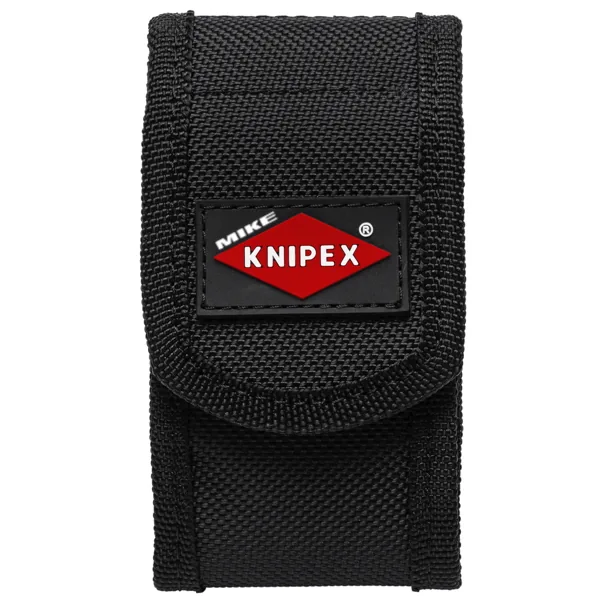
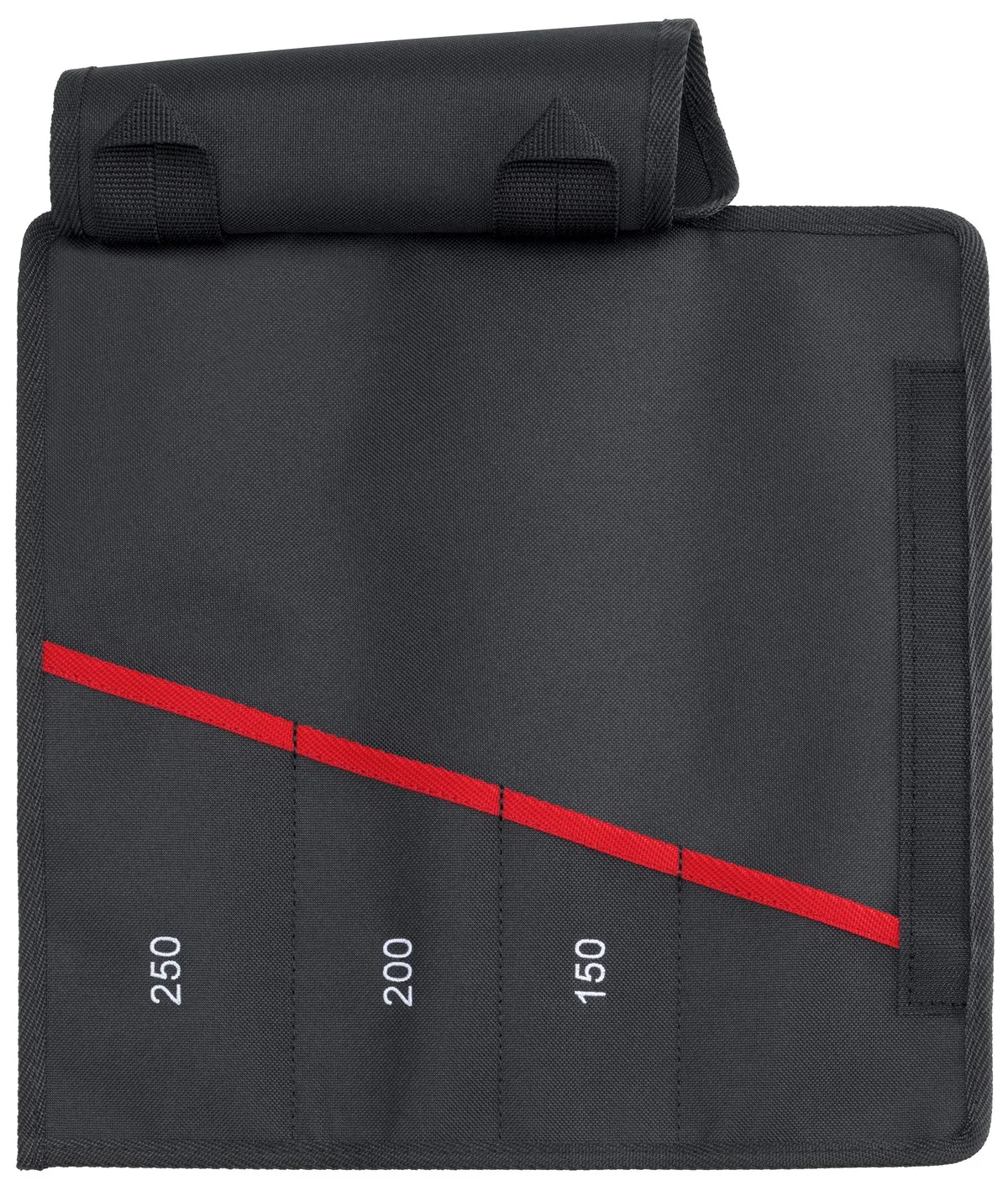
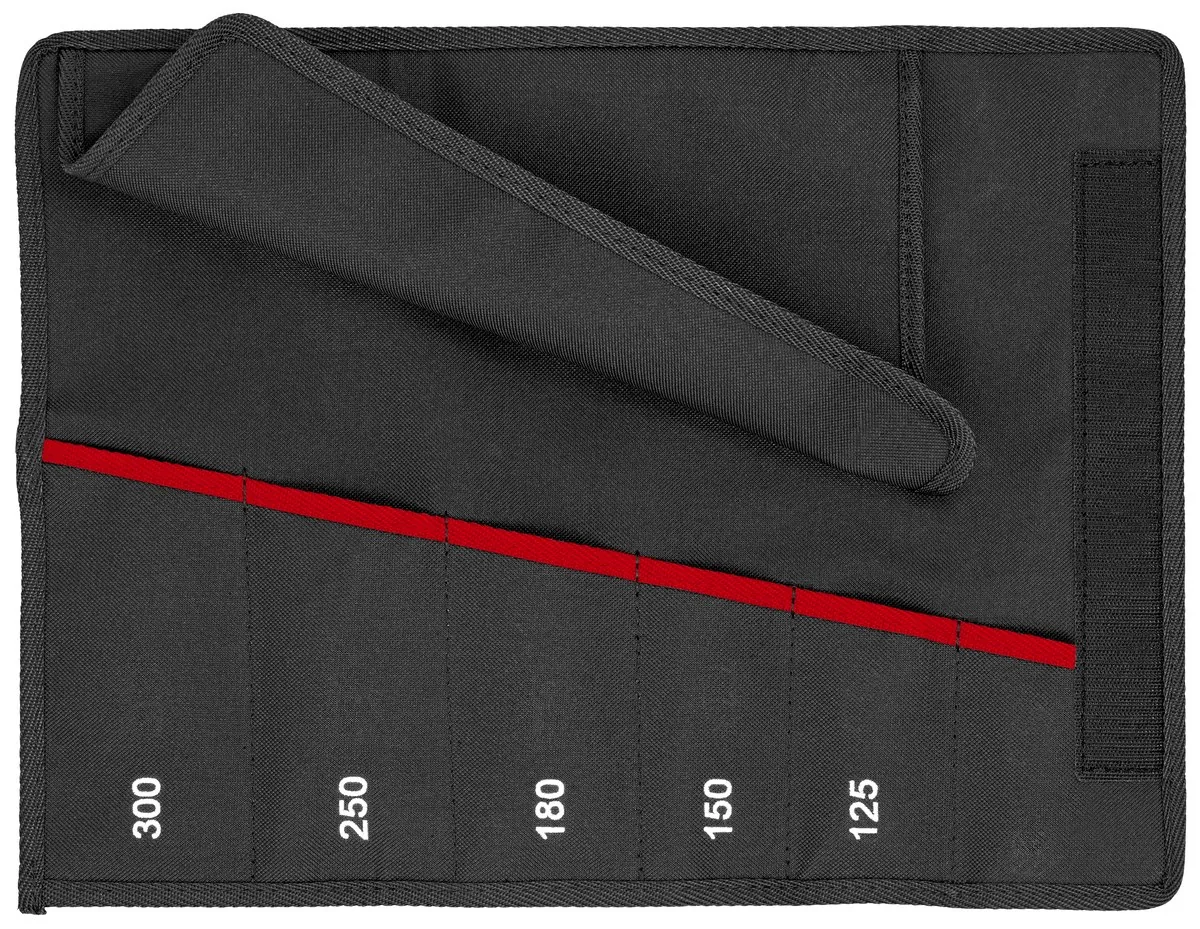
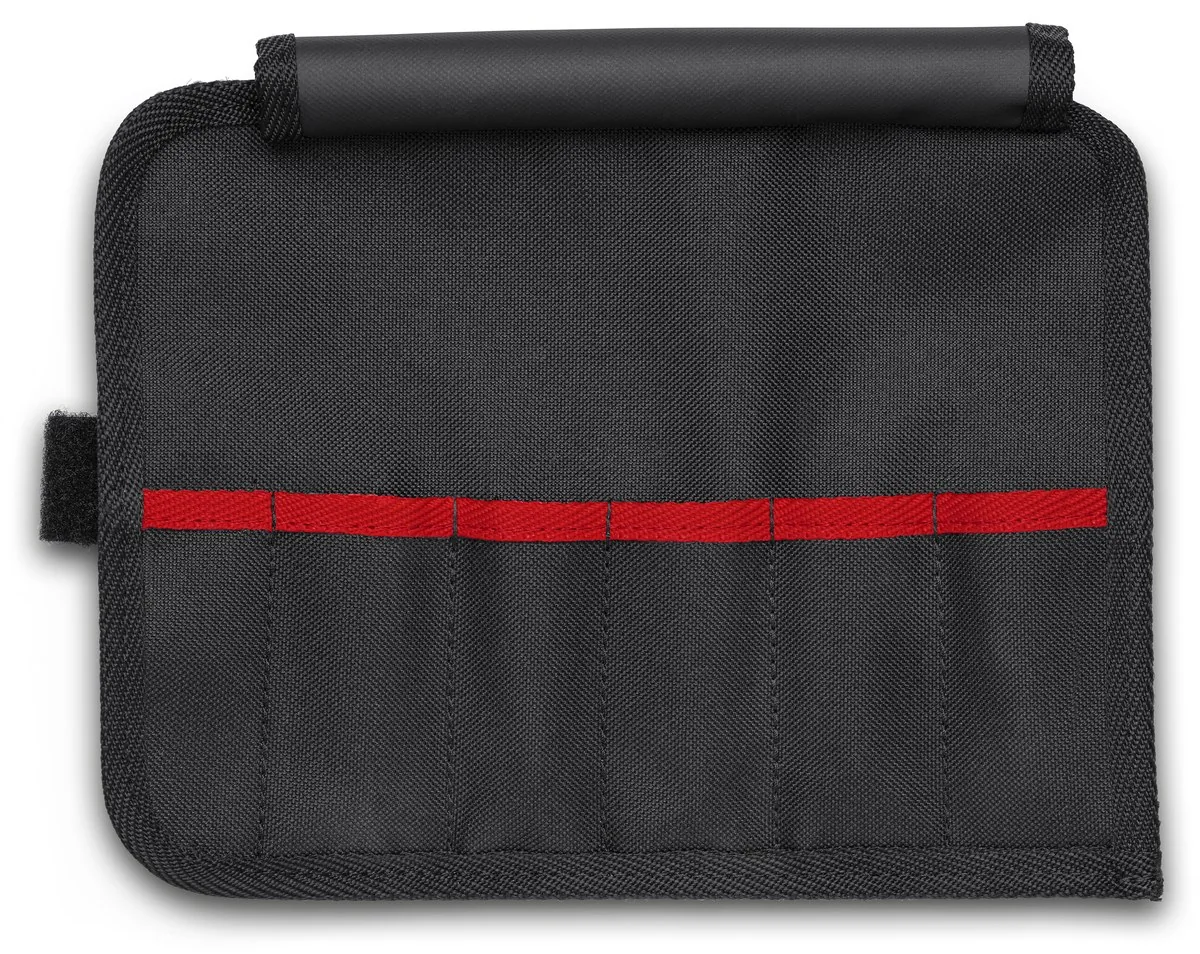
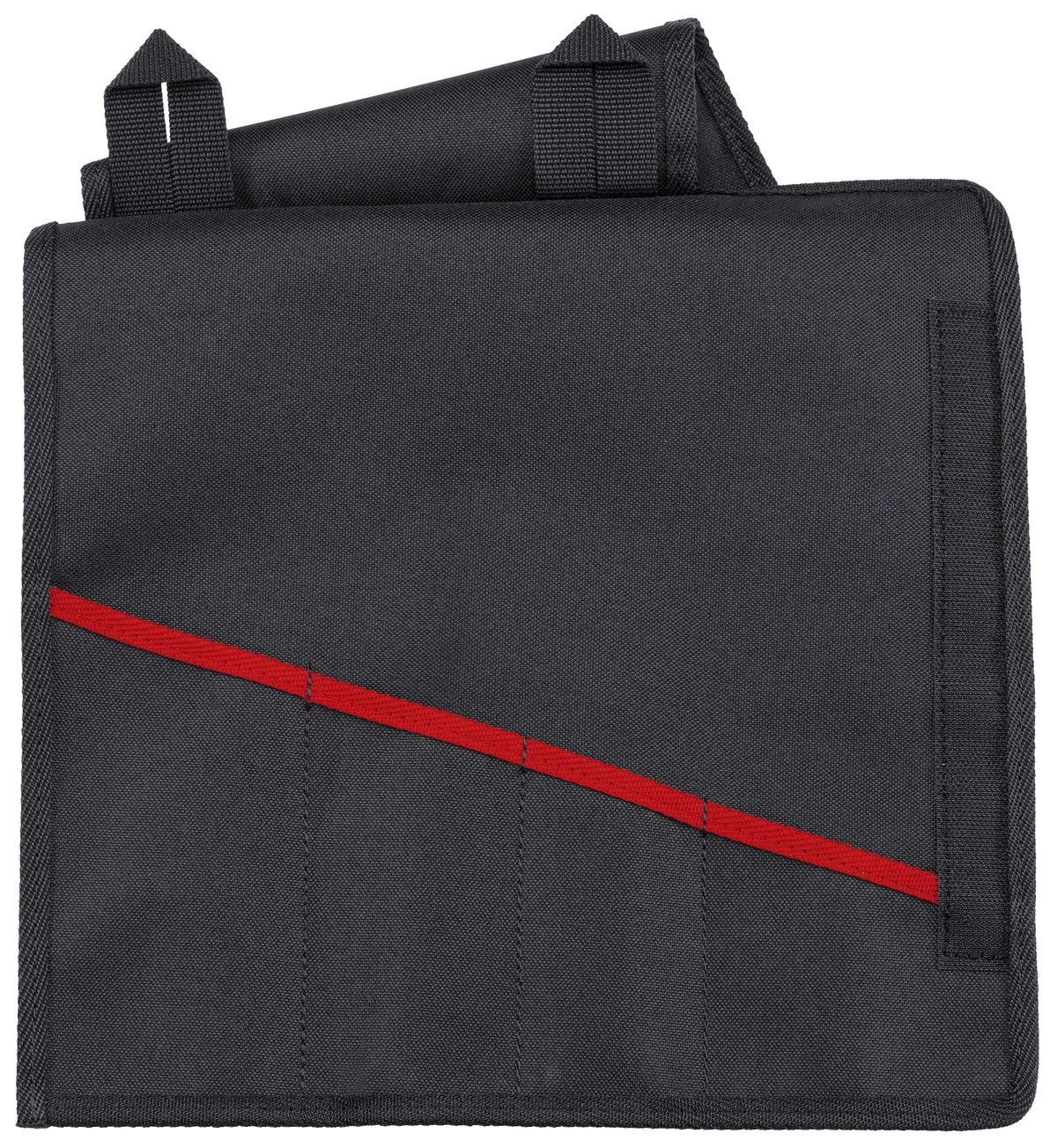
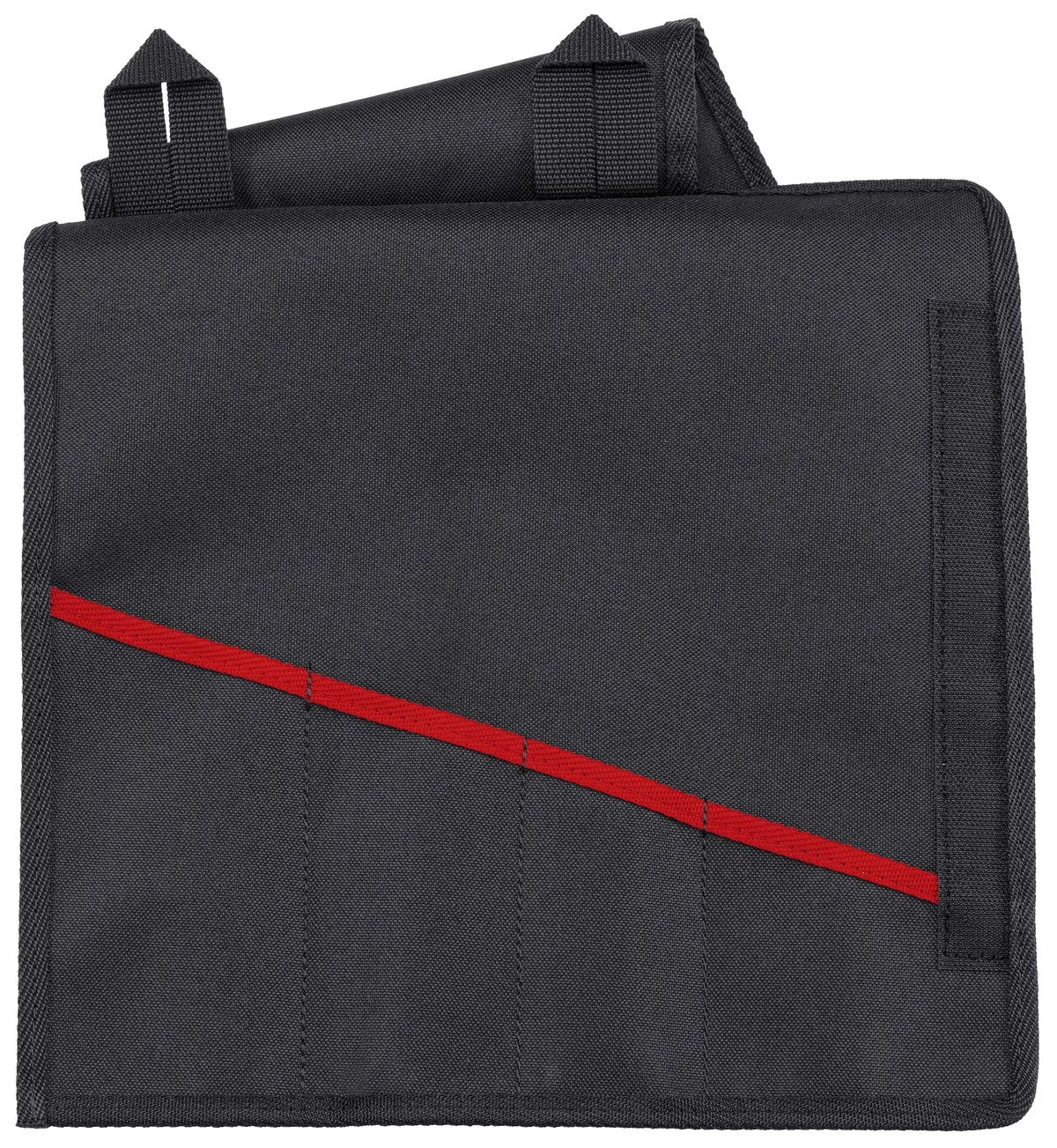
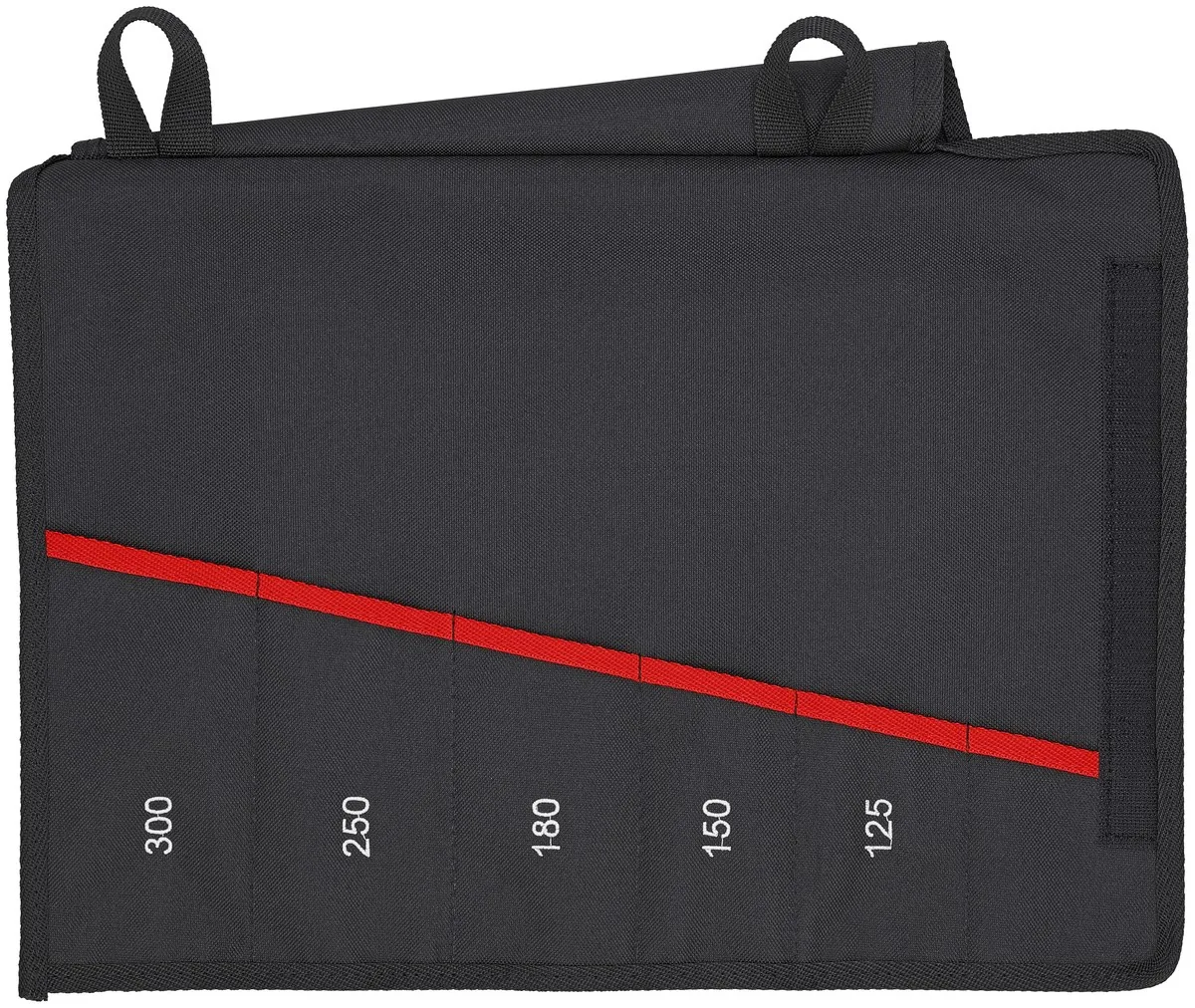


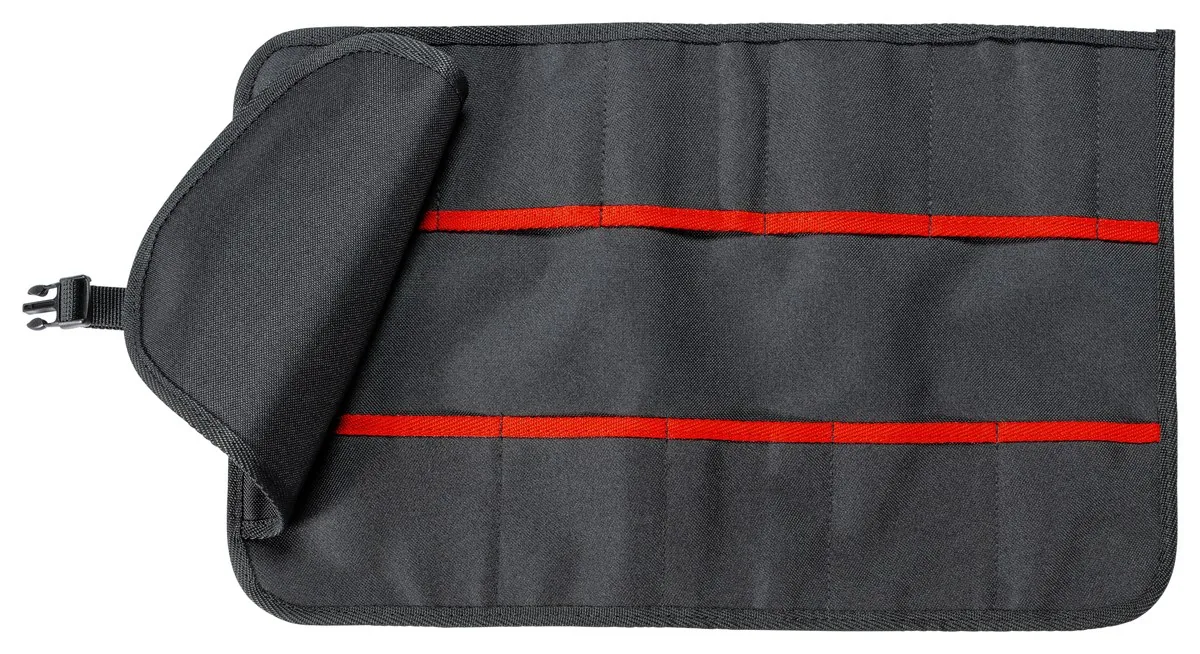
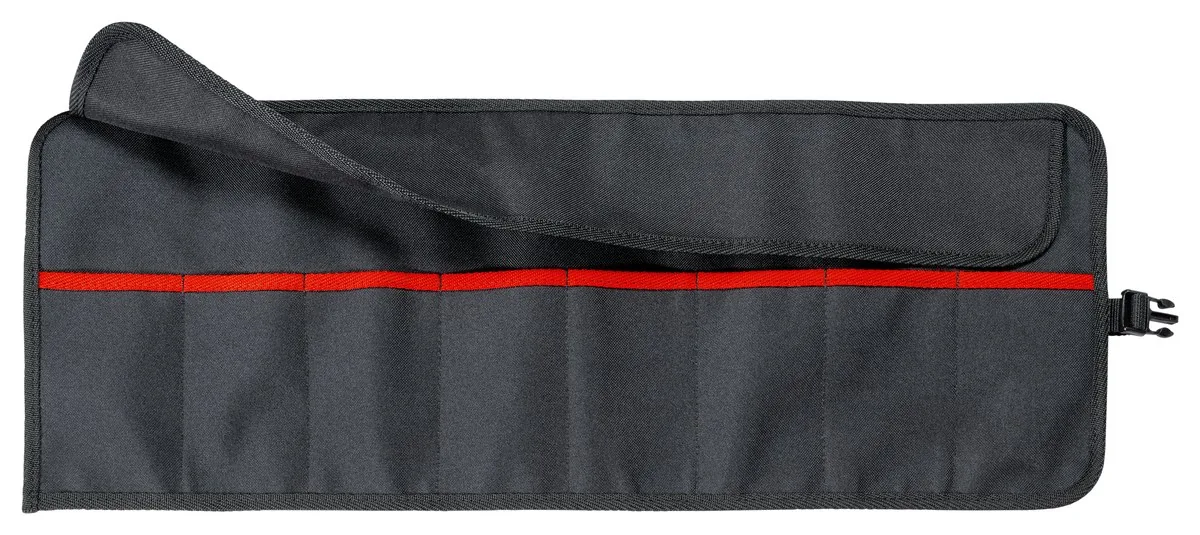
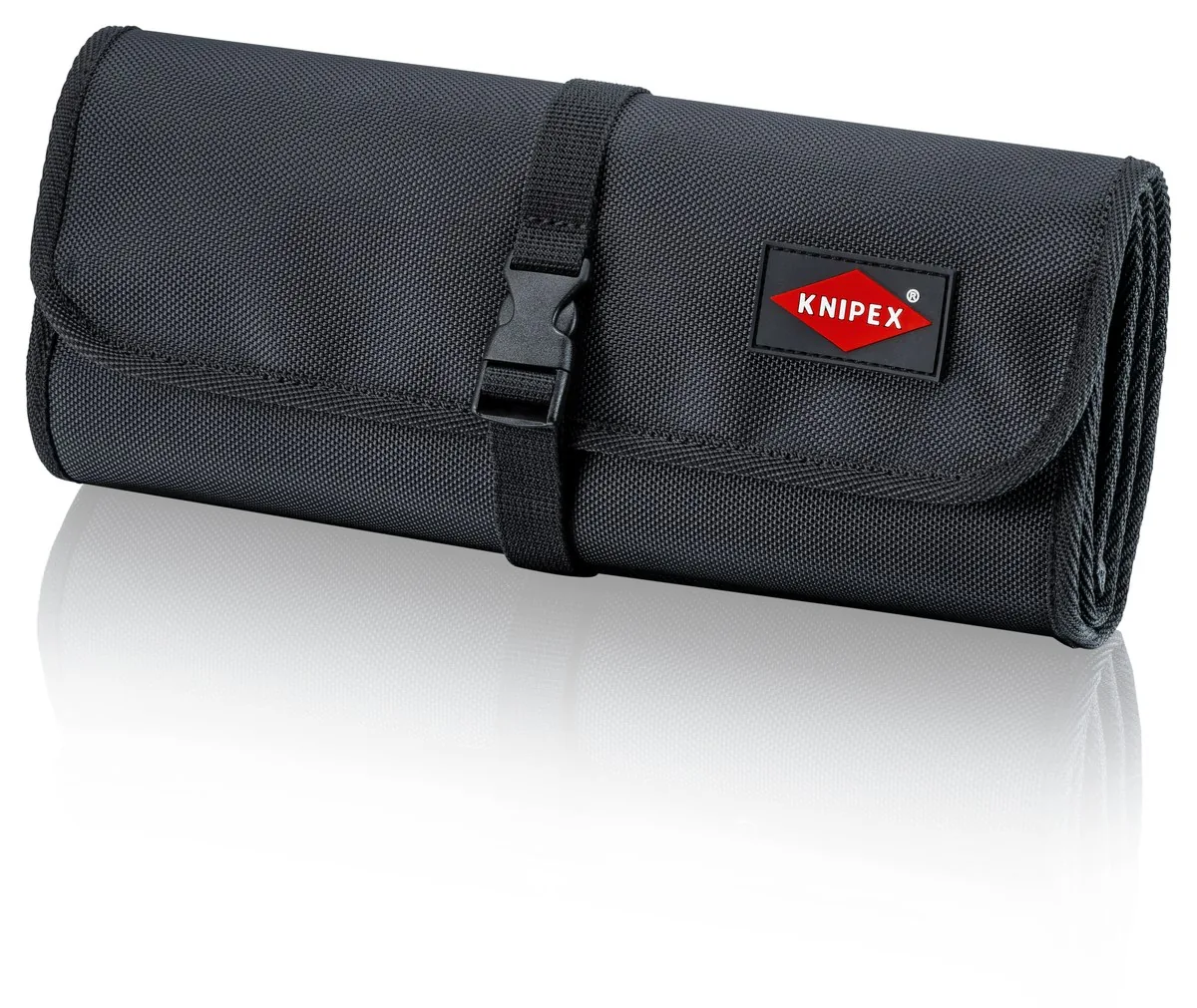
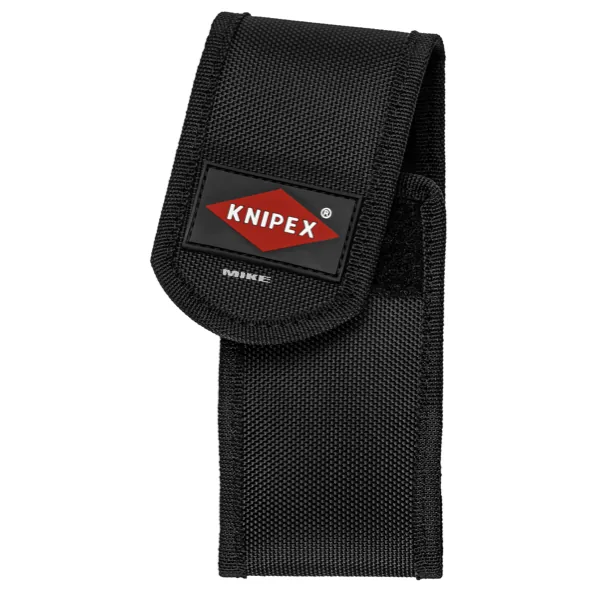
Belt Pouch / Mini Pliers Sets combine compact storage solutions with precision hand tools designed for mechanics, electricians, and industrial maintenance teams. These sets pair durable fabric pouches or rolls with mini pliers, tweezers, and other hand tools, enabling technicians to carry essential equipment securely on a belt or in a service bag.
KNIPEX manufactures each pouch from robust textile materials that resist abrasion and moisture, while the included pliers feature forged steel construction and ergonomic handles. The range spans single-pocket belt pouches for two pliers, multi-compartment tool rolls holding up to fifteen instruments, and modular MOLLE-compatible bags that attach to tactical vests or backpacks.
Lengths vary from 55 mm compact pouches to 850 mm full-size rolls, accommodating everything from miniature tweezers to standard-size cutting and gripping pliers. Every pouch incorporates reinforced stitching, secure closures, and individual pockets to prevent tool-on-tool contact during transport.
This design protects cutting edges, maintains calibration of precision tips, and speeds retrieval on job sites where space and time are limited.
Each set integrates a purpose-built carrying solution with hand tools selected for specific trades. Pouches use heavy-duty polyester or nylon fabric that withstands daily wear in workshop and field environments. Reinforced seams and bar-tack stitching at stress points extend service life beyond standard tool bags.
Mini pliers in these sets measure between 90 mm and 200 mm in overall length, fitting comfortably in pockets or small compartments. Forged vanadium steel jaws deliver cutting forces comparable to full-size models while reducing weight. Handles feature non-slip grips that maintain control in oily or wet conditions, and many models include return springs to reduce hand fatigue during repetitive tasks.
Compartment layouts range from two-slot designs to fifteen-pocket rolls. Individual pockets prevent tools from shifting during transport, eliminating the rattling and edge damage common in bulk storage. Clear labeling or color-coded tabs help technicians identify the correct tool without unpacking the entire set, saving seconds on every retrieval.
Closure systems include hook-and-loop straps, snap buckles, and roll-tie cords. Hook-and-loop fasteners allow single-handed opening when the other hand holds a workpiece. Snap buckles provide audible confirmation of secure closure, reducing the risk of accidental spills. Roll-tie cords on larger sets enable compact bundling for storage in service vehicles or toolboxes.
Belt pouches attach directly to standard work belts via integrated loops or clips. The 00 19 72 LE measures 55 mm in length and holds two mini pliers in separate pockets, keeping cutting and gripping tools ready for quick access. This compact format suits electricians working in confined spaces where a full tool roll would be cumbersome.
Tool rolls unfold to display multiple compartments in a single plane. The 00 19 41 LE extends to 450 mm and offers thirteen pockets for pliers, screwdrivers, and measuring instruments. Technicians lay the roll flat on a workbench, select the required tool, then roll and secure the bundle for transport to the next task.
Modular pouches integrate with MOLLE webbing systems common on tactical vests and backpacks. The 00 19 50 LE features two compartments and attachment straps that weave through MOLLE loops, distributing weight evenly across the carrier. This design appeals to field service engineers who need hands-free mobility while climbing ladders or navigating industrial equipment.
Large-capacity rolls accommodate complete tool sets for specialized trades. The 98 99 13 LE spans 850 mm and provides fifteen pockets sized for insulated pliers, cutters, and strippers used in live electrical work. Each pocket isolates the tool's insulated handle, preventing accidental contact between conductive surfaces and maintaining the integrity of voltage-rated coatings.
Pouch fabrics consist of high-tenacity polyester or ballistic nylon woven to resist tearing and puncture. Thread counts exceed 600 denier in most models, providing a balance between flexibility and abrasion resistance. Seams use double-needle stitching with polyester thread that resists UV degradation and moisture absorption, maintaining strength in outdoor environments.
Reinforcement patches at high-stress points, such as belt loops and closure tabs, distribute load forces and prevent premature failure. Bar-tack stitching at these locations creates a cross-hatch pattern that locks threads in place, even when subjected to repeated flexing. This construction technique extends pouch life in applications where tools are loaded and unloaded multiple times per shift.
Water-resistant coatings on fabric surfaces shed light rain and workshop fluids. While not fully waterproof, these treatments prevent oil, coolant, and cleaning solvents from saturating the fabric and transferring to tool handles. Coatings also simplify cleaning; technicians wipe the exterior with a damp cloth to remove dust and grime without soaking the material.
Zippers and fasteners use corrosion-resistant metals or reinforced polymers. YKK zippers with self-healing coils tolerate dirt ingress without jamming, and metal slider pulls remain operable when wearing gloves. Snap buckles molded from glass-filled nylon withstand impact and temperature extremes without cracking, ensuring reliable closure in both freezing and high-heat environments.
Sets pair pouches with pliers chosen for common maintenance and assembly tasks. Combination pliers with serrated jaws and integrated wire cutters handle gripping, bending, and cutting in a single tool. Diagonal cutters with flush-cut jaws trim cable ties and component leads without leaving sharp protrusions that could snag wiring or injure hands.
Long-nose pliers reach into narrow gaps between circuit boards, terminal blocks, and mechanical assemblies. Angled tips on some models provide clearance around obstructions, while straight tips offer better visibility in deep recesses. Spring-loaded handles return jaws to the open position automatically, reducing the number of hand movements required during repetitive tasks.
Specialty sets include tweezers for precision work with small components. The 00 19 92 V02 LE holds seven tweezers in individual pockets, protecting fine tips from bending or dulling. Electronics technicians use these sets to place surface-mount components, remove debris from optical assemblies, and manipulate delicate wiring without causing damage.
Insulated tool sets meet voltage-rated safety standards for electrical work. The 98 99 13 LE accommodates pliers tested to 1,000 volts AC, with each tool individually certified and marked. Insulation layers cover handles and extend beyond the pivot point, preventing accidental contact with live conductors during use.
Pocket sizing matches common tool dimensions to minimize wasted space and prevent tools from shifting. Narrow pockets hold screwdrivers and probes vertically, while wider compartments accommodate pliers horizontally. Elastic loops or snap-down flaps secure tools in place, even when the pouch is inverted or subjected to vibration during transport.
Color-coded tabs or printed labels identify pocket contents at a glance. Technicians assign specific tools to labeled pockets, then memorize the layout for rapid retrieval. This system reduces the time spent searching through a jumbled tool bag and minimizes the risk of selecting the wrong tool under time pressure or poor lighting.
Transparent pockets on some models allow visual inspection without opening the pouch. Clear vinyl windows protect tools from dust while enabling quick inventory checks before leaving the workshop. This feature helps technicians verify that all required tools are present, reducing the likelihood of mid-job trips back to the service vehicle.
Fold-out designs transform compact pouches into flat work surfaces. The 00 19 41 LE unfolds to display all thirteen pockets simultaneously, allowing technicians to see every tool without removing any from the roll. After completing the task, the roll folds back into a cylinder secured by a single tie, ready for the next assignment.
Belt loops on compact pouches slide over standard work belts up to 50 mm wide. Reinforced stitching at the loop base prevents tearing when the pouch is fully loaded. Some models include a secondary retention strap that snaps around the belt, preventing the pouch from sliding along the belt during movement or when bending over.
Shoulder straps on larger rolls distribute weight across the torso, reducing strain during extended carrying. Adjustable buckles accommodate different body sizes and allow technicians to position the roll at a comfortable height. Padded sections on the strap prevent the webbing from digging into the shoulder when the roll is heavily loaded.
MOLLE-compatible straps weave through webbing grids on tactical vests, backpacks, and vehicle seat covers. The 00 19 50 LE uses two parallel straps that thread horizontally through MOLLE loops, then snap together to lock the pouch in place. This attachment method resists vertical and lateral movement, keeping tools accessible even during vigorous activity.
Carabiner loops on some pouches enable quick attachment to D-rings, tool lanyards, or scaffolding rails. Technicians clip the pouch to a harness when working at height, ensuring tools remain within reach without occupying belt space. Metal or reinforced polymer loops withstand the dynamic forces generated when a loaded pouch swings during climbing or repositioning.
Compact belt pouches suit tasks requiring only a few hand tools. Electricians performing routine panel inspections carry the 00 19 72 LE with combination pliers and a voltage tester, leaving both hands free for ladder climbing and door opening. The small footprint prevents the pouch from catching on equipment or doorways in tight spaces.
Mid-size rolls balance tool capacity with portability for general maintenance work. The 00 19 41 LE holds a complete set of pliers, cutters, and drivers for HVAC service calls, assembly line adjustments, and facility repairs. Technicians unfold the roll on a workbench or equipment cover, complete the task, then roll and stow the bundle in a service bag or vehicle compartment.
Large-capacity rolls serve trades requiring extensive tool inventories. Instrumentation technicians use the 98 99 13 LE to carry insulated pliers, precision screwdrivers, and calibration probes for control panel work. The roll remains in the service vehicle until needed, then travels to the job site as a self-contained kit that eliminates the need to sort through a larger toolbox.
Modular pouches integrate into existing gear systems for field service engineers. The 00 19 50 LE attaches to a MOLLE vest alongside radio pouches, first-aid kits, and spare parts bags, creating a customized load-out for each assignment. Engineers reconfigure the vest layout between jobs, moving pouches to optimize weight distribution and access based on the task at hand.
Regular cleaning removes abrasive particles that accelerate fabric wear. Technicians shake out loose debris after each shift, then wipe the exterior with a damp cloth to remove oil and dust. For deeper cleaning, mild detergent and warm water lift embedded grime without degrading water-resistant coatings or weakening stitching.
Inspect stitching and fasteners monthly for signs of wear or damage. Frayed threads at stress points indicate the need for reinforcement or replacement before complete failure occurs. Loose snaps or worn hook-and-loop fasteners should be repaired promptly to maintain secure closure and prevent tool loss during transport.
Store pouches in a dry, ventilated area when not in use. Prolonged exposure to moisture encourages mildew growth on fabric and corrosion on metal fasteners. Hanging the pouch on a hook or peg allows air circulation around all surfaces, accelerating drying after wet-weather use and preventing odor buildup.
Avoid overloading pockets beyond their designed capacity. Forcing oversized tools into compartments stretches fabric, distorts pocket shape, and stresses seams. Technicians should select a pouch with appropriately sized pockets for their tool inventory, or distribute heavy items across multiple compartments to balance load and preserve pouch integrity.
Belt Pouch / Mini Pliers Sets deliver organized, portable tool storage for professionals who value efficiency and equipment protection. Match pouch capacity and attachment style to your work environment, maintain fabric and fasteners through regular inspection, and enjoy reliable access to precision hand tools across every service call and maintenance task.

This website uses necessary cookies so the cart, sign-in and internal statistics work. If you agree, we turn on the Meta Pixel tool to improve our service quality. Privacy policy